Call for Papers Now OPEN

You are invited to submit a proposal for a presentation at the CAPS 2027 International Conference.

All other Conference Workshop and Poster Submissions (including ACCESS [Counselor/Counselor Ed.] submissions seeking NBCC approval): DUE SEPTEMBER 30, 2026

Conference Features

  • Opening Night Gala*

  • Dinner

  • Opening Plenary Session

  • Dessert Reception

  • CAPSx Luncheon*

  • Over 100 Different Sessions to Choose From

  • Poster Sessions

  • Special Interest Group Meet-Ups

  • Continuing Education Credits

  • And More!

* Opening Night Gala and CAPSx Luncheon are included in the regular registration fee!

Thursday Night Plenary Session

Bookends and Pathways: Grace in the Therapy Room
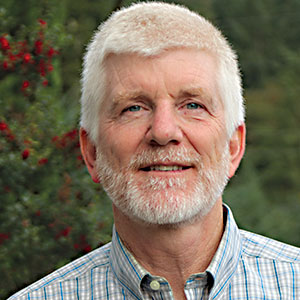
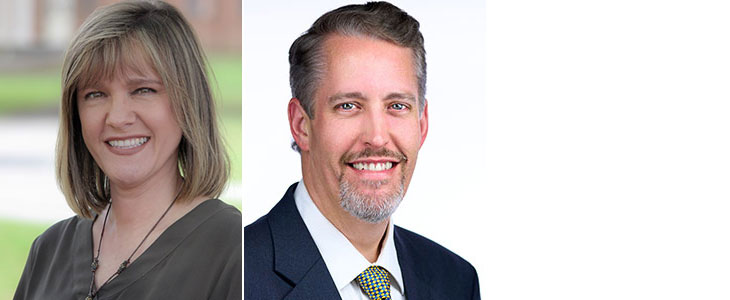
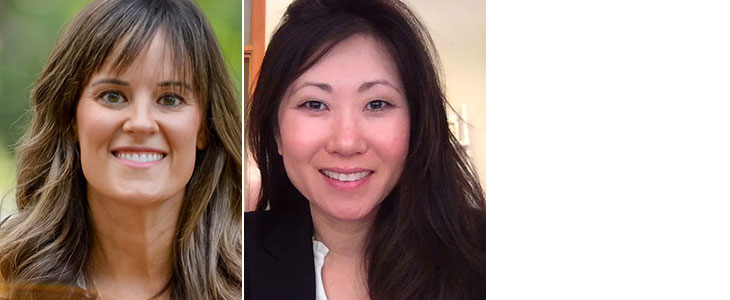
Mark McMinn

From the beginnings of the modern integration movement to the present, grace has been an essential undercurrent in psychotherapy. Drawing on empirical research on lived experiences of grace, this plenary explores four pathways of grace and considers what they offer both those who seek our help and those of us called to provide it.

CAPSx Luncheon

Stay tuned for further details

2027 Pre-Conference Workshops

Thursday 9am-12 noon

Pre-Conference and Post-Conference Workshops require registration and additional costs; they are not included in the general conference registration fee.

Faith Immersion and Integration in CACREP Programs: Developing a Shared Language
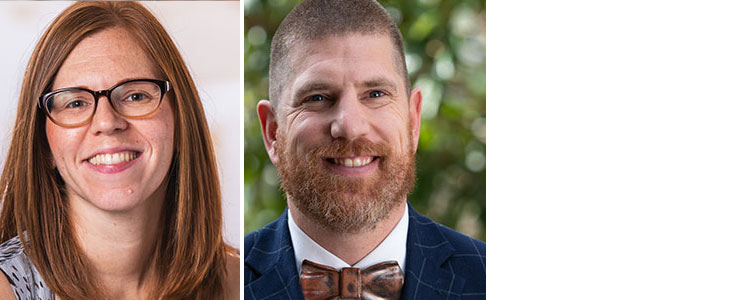
Kristen Kansiewicz, Seth Scott, Kristy Ford, Andrew Graham

This 3-hour pre/post conference session will function as a ‘think tank’ experience, with attendees participating in a qualitative study using the Nominal Group Technique. Our aim is to gather the leading experts in faith integration in CACREP programs to identify and explore common language and practices. The development of a shared language for faith integration in CACREP programs requires a fundamental shift in how we conceptualize the relationship between belief and practice. Rather than viewing “integration” as the mere addition of theological concepts to psychological theory we can move toward a paradigm of worldview immersion. Institutional culture and policy can shape the beliefs and values promoted within counselor education, influencing both curriculum and the immersive student experience (Oxhandler & Pargament, 2018). There is a recognized need for shared language and frameworks to describe faith integration within counselor education. CACREP standards reference “spirituality” but often lack specificity, leading to calls for more explicit curricular focus and common terminology to support faith integration and immersion in ways that are consistent with professional standards (Dagang et al., 2018). Effective frameworks for integrating faith, values, and spiritual formation into counselor education provide shared experiential language and assignments that bridge faith commitments and professional practice (Jangha, 2023; Cashwell et al., 2002). Emerging practices for integrating Christian faith commitments include the use of service-learning, community engagement, personal spiritual practices, and explicit curriculum addressing spirituality and religion (Cashwell et al., 2002; Jangha, 2023; Dagang et al., 2018). The ACA Code of Ethics and CACREP standards both highlight the importance of addressing spirituality and religion, suggesting that counselor training should include explicit focus on these dimensions to help students critically analyze their own and clients’ worldview assumptions and their personal faith formation (Dagang et al., 2018).

Listening to Dreams: A Collaborative Approach in Clinical Practice
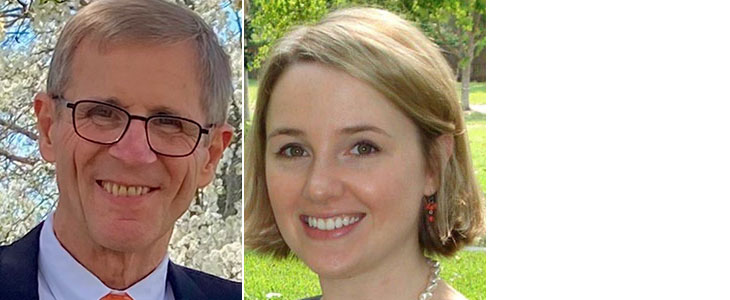
Michale Lubbers, Angela Allen-Peck, Tessa Trussell Wolf, Gina YuKwon

Dreaming is a universal human experience, yet the ways individuals understand and relate to their dreams are shaped by personal, cultural, relational, and theoretical influences. Since Freud described dreams as a “royal road” to the unconscious in The Interpretation of Dreams (1900), dream work has held an important place within psychoanalytic practice. As psychotherapy has expanded to include cognitive, behavioral, systemic, relational, and other approaches, however, formal training in working with dreams has become less central in many clinical training programs. As a result, therapists may feel uncertain about how to respond when clients bring dreams into treatment, particularly when those dreams are emotionally charged, recurrent, or disturbing. This workshop is designed for therapists across theoretical orientations and levels of experience who want to develop greater confidence and skill in working with dreams in clinical practice. Participants will be introduced to foundational principles of dream work and deepen their capacity to listen to, explore, and utilize dreams with clients.

This experiential workshop introduces participants to foundational principles of dream work that can be integrated across theoretical orientations. Presenters will briefly review major perspectives on dreaming, different types of dreams, and approaches to inquiry that encourage curiosity rather than predetermined interpretation. Participants will then listen to clinical dream material presented by three experienced therapists and collaboratively explore possible meanings, associations, relational dynamics, and clinical implications.

The workshop is designed to increase participants’ confidence and flexibility in listening to and working with dreams, allowing dream material to become a meaningful part of treatment when it is relevant or important to the client.

Carditive Therapy: Working with the Heart in Christian Counseling & Psychotherapy
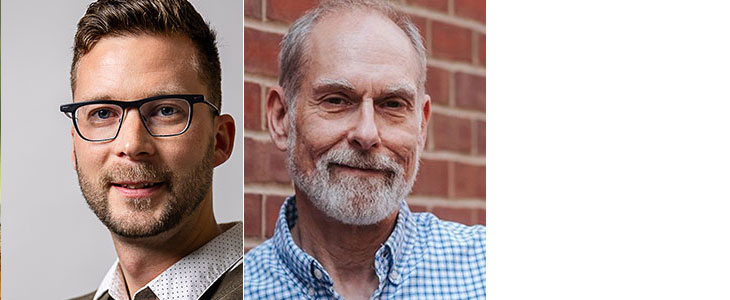
Michael Strating, Eric Johnson

Christianity is a religion of the heart. In this seminar, we will explore how the foundational beliefs of Christianity provide a rich set of therapeutic resources for working with the emotions of Christian clients. We will show how Christians can assimilate empirically-validated interventions and processes from contemporary secular therapies – such as emotion-focused, relational, and brief psychodynamic therapies (Greenberg et al., 1996; Hayes et al., 2012; Pascual-Leone, 2018) – within a Christ-centered worldview framework (Knabb, Johnson, Bates, & Sisemore, 2019; Worthington, Johnson, Hook, & Aten, 2013). The result is a contemporary, research-based approach to therapy that is culturally sensitive to the mental health needs of Christians. Attendees will explore a Christ-centered framework for emotional healing, identity formation, relational change, and flourishing, drawing on the historic resources of the Christian faith as well as empirically supported interventions from contemporary therapies, such as emotion-focused, acceptance and commitment, and brief psychodynamic therapies.

Intrinsic to the main teachings and practices of Christianity are a host of therapeutic benefits for counselees, including forgiveness, reconciliation with a perfect God and Father, the gifts of righteousness, holiness, becoming a child of God, and the indwelling Holy Spirit (Johnson, 2017; Knabb et al., 2019). These features promote access to God’s presence and love through meditative prayer and enable the resolution of debilitating emotions like shame, guilt, and anxiety (Bingaman, 2011). This facilitates the development of greater self-awareness; emotion experience, expression, and regulation; and productive activity. These skills in turn enable greater self-awareness, authenticity, and psychological-mindedness; self-examination; distress tolerance; healthy differentiation of self from others, and the development of a new identity, based on Christ’s perfection, rather than one’s own performance (Warfield, 1950). Such processes provide vital information about our deepest values and concerns (Edwards, 1746/2013; Roberts, 2007) and are especially helpful for Christian counselees who struggle with anxiety and depressive disorders and high levels of shame (e.g., Schnitker et al., 2017; Vishkin et al., 2019).

Narrative Sexual Identity Therapy: An Ethical Approach to Gay Christians Experiencing Faith-Sexuality Conflict
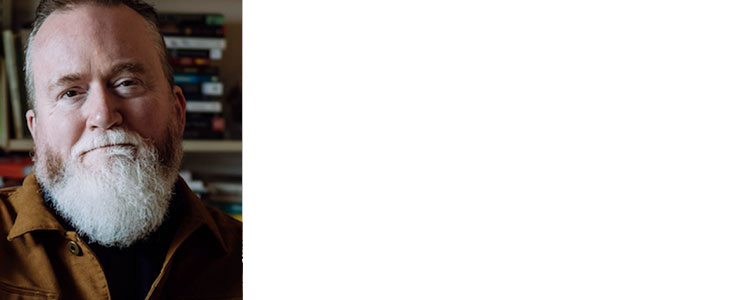
Mark Yarhouse

Christian mental health professionals will benefit from developing competence in helping clients achieve personal congruence as they navigate potential conflicts that arise between their sexual identity and their religious identity. This workshop will focus on a narrative approach to achieving congruence in which clients author lives that are psychologically health, spiritually meaningful, and ethically congruent with their own values. A narrative framework (in which problems are understood as woven into stories, identity is constructed through stories, and multiple stories always exist) is particularly well-suited for work with clients who present in therapy with faith-sexuality conflicts because it emphasizes meaning-making, identity development, and personal agency rather than imposing a predetermined identity or path for the client to follow. Ethical practice is of utmost importance and can be achieved by use of expanded informed consent, avoiding identity foreclosure, respecting client self-determination, and managing value differences. Specific narrative techniques (for example, mapping sexual identity, externalizing the conflict, and re-authoring identity) and the use of Christian practices (for example, lament, community, service) as narrative resources will be discussed with application of facilitating personal congruence. This workshop equips Christian clinicians to use narrative therapy to help clients reconcile religious identity and sexual identity, fostering psychological healthy, spiritually meaningful, ethically congruent lives through informed consent, self-determination, and story-based techniques that integrate religiously-congruent practices.

2027 Post-Conference Workshops

Saturday 2-5 pm

Come Closer: Childhood Wounds, Adult Love, and the Practice of Relational Presence
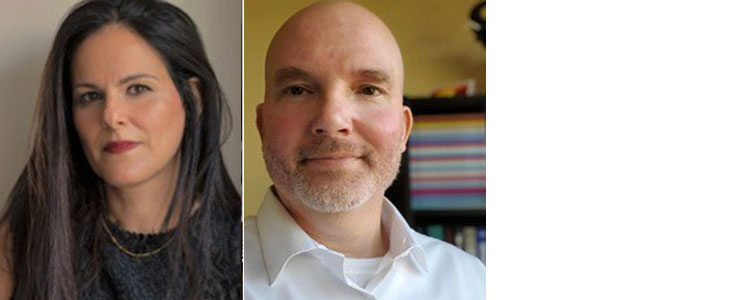
Galit Atlas, Shawn Hofer

In her new book, Come Closer: Childhood Wounds, Adult Love, and the Secrets of Emotional Intimacy, psychoanalyst Dr. Galit Atlas identifies six “wounded child” archetypes – the frightened, melancholic, ashamed, invisible, guilty, and chosen child – and traces how each quietly shapes how we reach for, retreat from, or undermine closeness with the people we love. Drawing on her clinical practice, attachment theory, and personal history, Dr. Atlas invites us to view these early wounds not as fixed damage but as material we can know, hold, and work through in relationship.
This three-hour post-conference hybrid session unfolds in two parts. For the first two hours, Dr. Atlas will teach from Come Closer, grounding the material in case illustrations from her own practice and drawing out its resonance with themes our community holds close – shame, belovedness, attachment, and repair. In the final hour, a clinician will present a live case for Dr. Atlas to respond to in real time, an approach rooted in the “dramatic dialogue” method she developed with the late Dr. Lewis Aron. Rather than hearing about relational psychoanalytic thinking after the fact, participants will watch it happen through live supervision. This is a unique opportunity to watch how “dramatic dialogue” unfolds.

Participants will leave with a deepened clinical vocabulary for working with childhood-wound dynamics in adult relationships, and a firsthand sense of what relational, in-the-moment case consultation actually looks like.

Sacred Wounds: Developing Counselor Competence for Spiritual Abuse and Religious Trauma
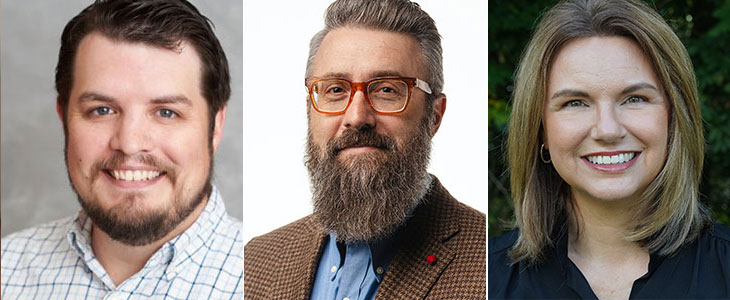
Chase McKinney, Ben Kohls, Karen Roudkovski

Spiritual abuse and religious trauma are increasingly recognized as significant sources of psychological distress, yet many counselors receive little formal preparation for identifying and responding to these experiences. This interactive workshop provides counselor educators, supervisors, and clinicians with a trauma-informed framework for developing competence in working with survivors of spiritual abuse and religious trauma. Participants will explore defining characteristics, clinical assessment, case conceptualization, and evidence-informed treatment considerations while examining ethical and multicultural issues surrounding the integration of spirituality and religion in counseling practice. The workshop will also address counselor formation through discussions of moral injury, vicarious trauma, spiritual bypassing, and trauma-informed clinical supervision to better prepare counselors supporting this population. Through case examples, discussion, and practical application, participants will leave with adaptable strategies for improving clinical practice, strengthening counselor education and supervision, and fostering ethical, compassionate care for individuals whose experiences of faith have become sources of trauma rather than healing.

Internal Family Systems & Inner Healing Prayer: A Convergence!
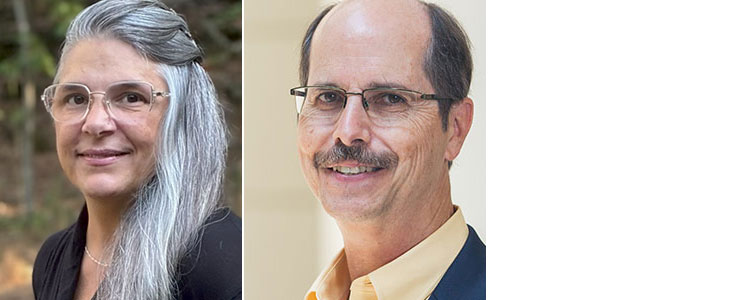
Kharma Parker, Fernando Garzon

Internal Family Systems (IFS) is an evidence-based, cutting-edge psychospiritual model of therapy growing exponentially in popularity and demand. While research supports its effectiveness for clients with historical trauma and its sequelae, the undefined spirituality of the model and some aspects of working with “parts” have been consistent points of concern for some Christians. Applying an indigenous psychology and counseling lens, we examine Internal Family Systems and present a Christian emic framework for this modality more compatible with the cultural and religious characteristics of some Christian clients. This framework includes a distinctively Christian intervention, Inner Healing Prayer (IHP). IHP explicitly invites God to lead an authentic experience of transformative repair in a therapeutic session. The workshop focuses on how to apply this emic Christian approach with IHP in a clinically sensitive manner for clients desirous of incorporating a Christian worldview and prayer into their treatment.
We will begin with an overview and critique of IFS, proposing our Christian emic framework. We will also introduce IHP, briefly examining the research on this intervention. Once a theological framing of parts and what promotes an authentic experience of our parts with God is established, we share data from a Small N time series study with adult survivors of childhood trauma using this Christian emic model. In the last hour, we will offer a live demonstration followed by closing with Q&A.

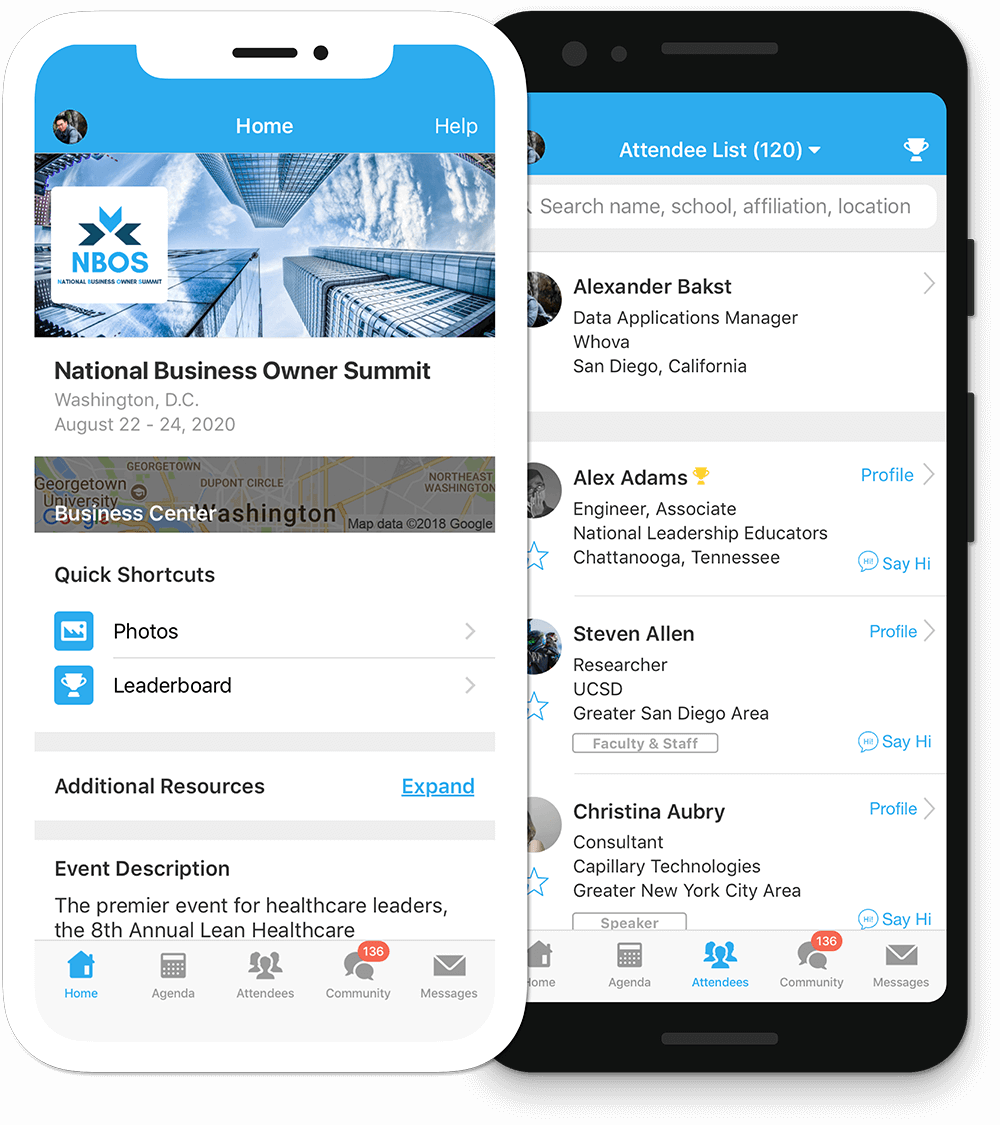
Get our official event app,

Get the most out of the app and have a more productive experience!

1

NAVIGATE the event agenda and logistics, even without Wi-Fi or data. Access useful information like ridesharing and local attractions through the Community Board

2

NETWORK effectively. Plan whom to meet by exploring attendee profiles and sending out messages

3

PARTICIPATE in event activities through session likes, comments, ratings, live polling, tweeting, and more

For Blackberry or Windows Phone, Click here
For feature details, visit Whova

Schedule

Thursday, March 18

9:00 am – 12:00 pm
Pre-Conference Workshops*
(separate fee and registration)

2:00 – 5:30 pm
Breakout Sessions

5:45 –10:30 pm
Conference Kickoff Event

5:45 – 7:00 pm
Dinner
(cost covered in registration fee)

7:00 – 8:30 pm
Praise & Worship/Opening Plenary

8:30 –10:00 pm
Welcome Desserts Reception and Special Interest Groups Meetings

Friday, March 19

8:00 – 9:00 am
Breakout Sessions

9:00 – 10:15 am
Poster Sessions

10:15 – 11:15 am
Breakout Sessions

11:30 am – 2:00 pm
Plenary Luncheon (CAPSx Talks)
(cost covered in registration fee)

2:00 – 4:30 pm
Breakout Sessions

4:30 – 5:45 pm
Poster Sessions

6:00 – 9:00 pm
Receptions, alumni dinners, free time/night on the town

Saturday, March 20

8:00 – 11:30 am
Breakout Sessions

2:00 – 5:00 pm
Post-Conference Workshops
(separate fee and registration)

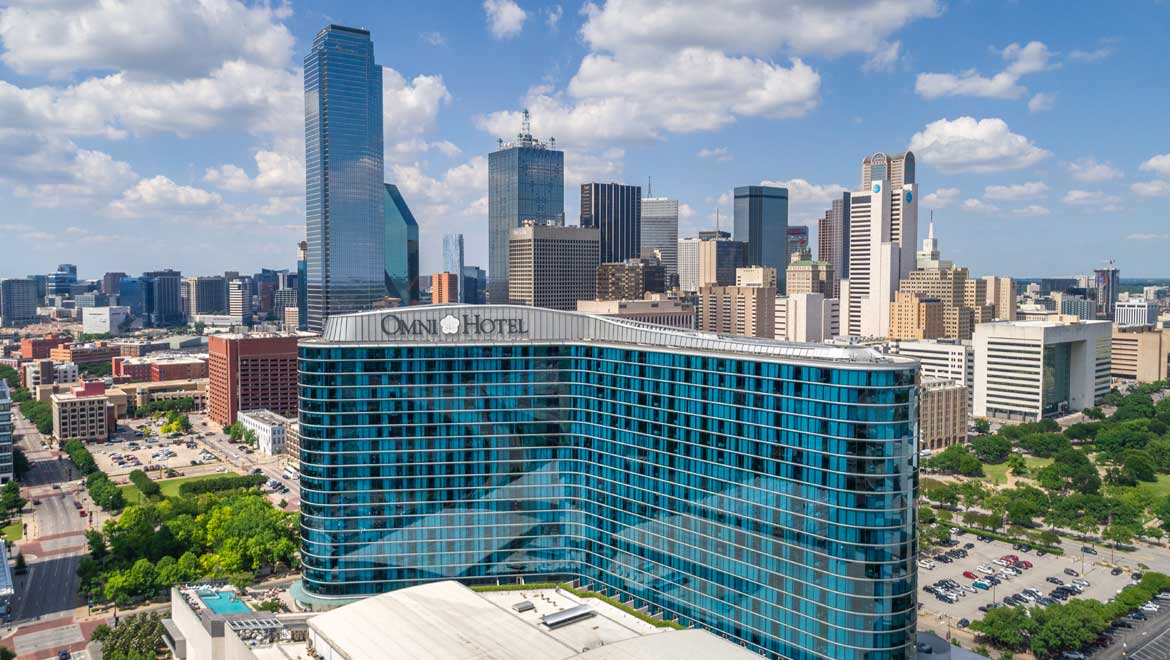
OMNI Dallas Hotel

555 S Lamar, Dallas, Texas, 75202
Phone: (214) 744-6664


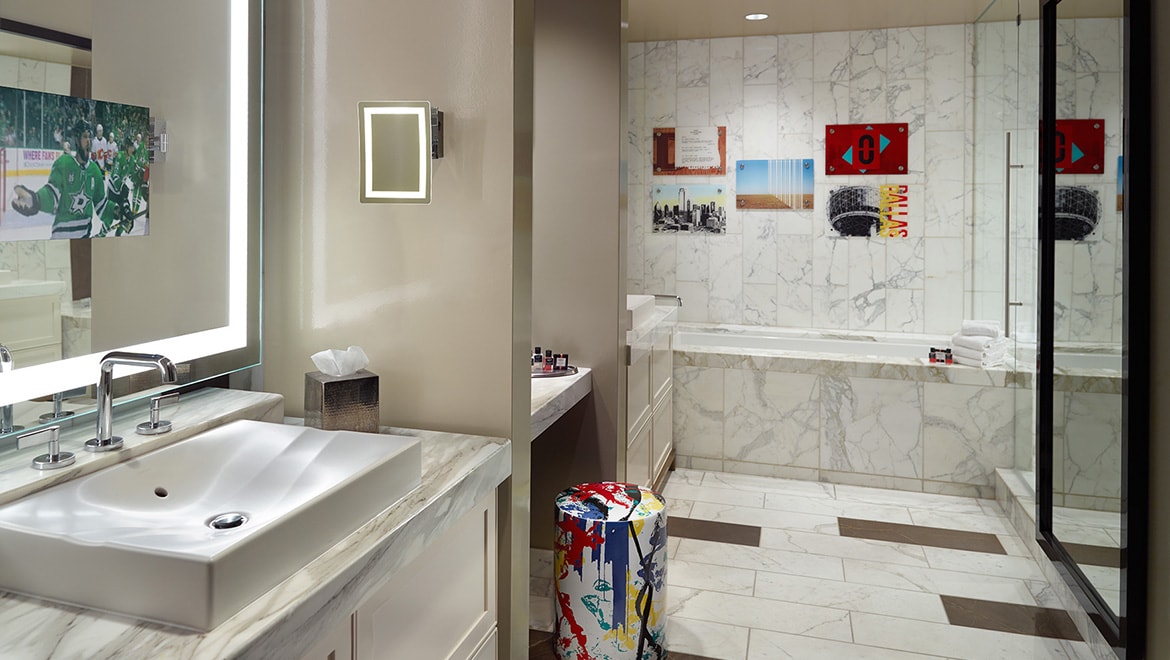
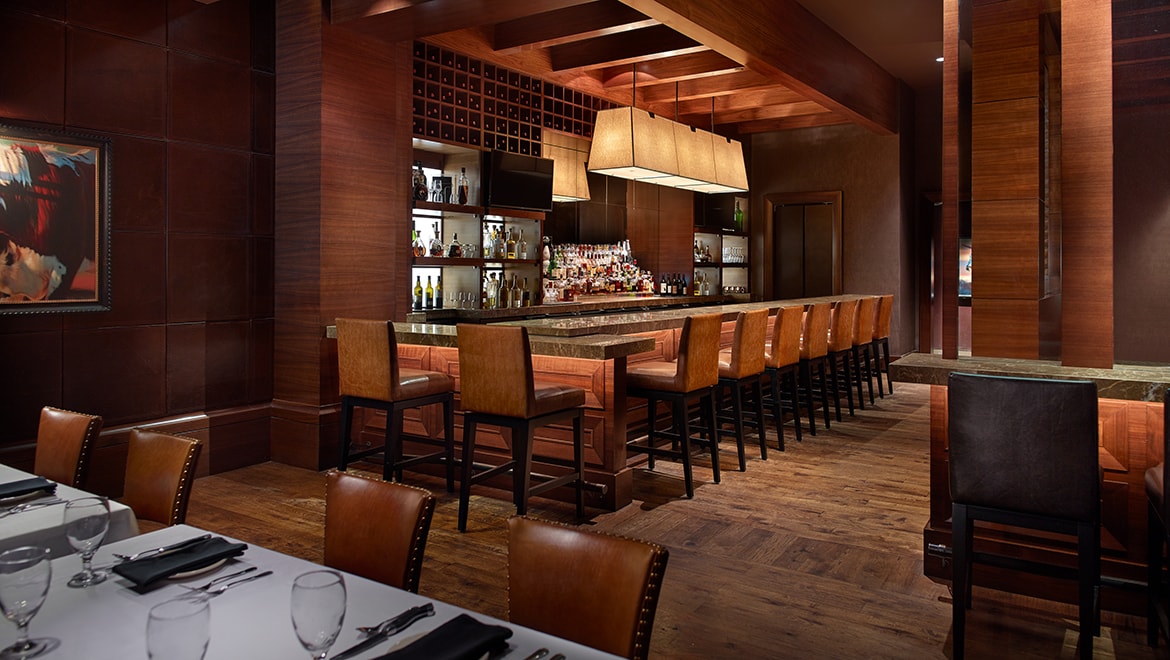
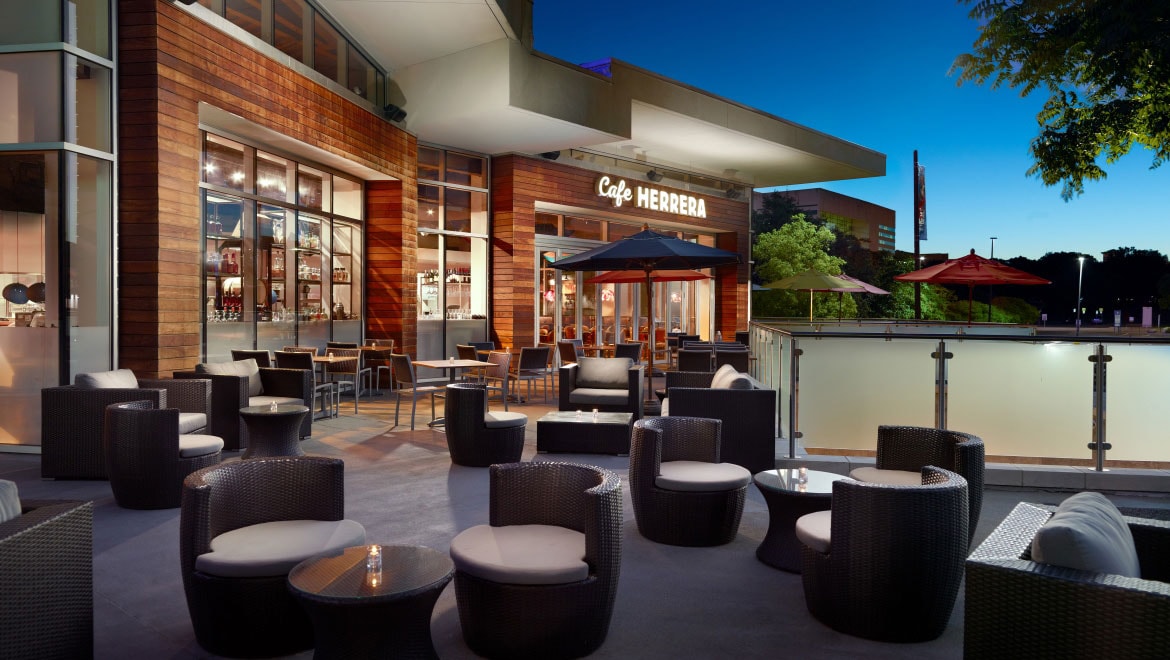
Just steps away from the Kay Bailey Hutchison Convention Center, the Dallas Arts District, the AT&T Discovery District, and the American Airlines Center, Omni Dallas Hotel is a luxury hotel in Downtown Dallas. The hotel pairs a sleek glass exterior with interiors featuring native textures and curated art. Guests and locals enjoy on-site dining, retail, inviting lounges, the signature Mokara Spa, and an urban pool deck. Guest rooms begin on the 5th floor.